Archive for the ‘Aromatherapy Massage’ Category

Swop your carrier oil for Soya Oil

Tuesday, January 25th, 2011
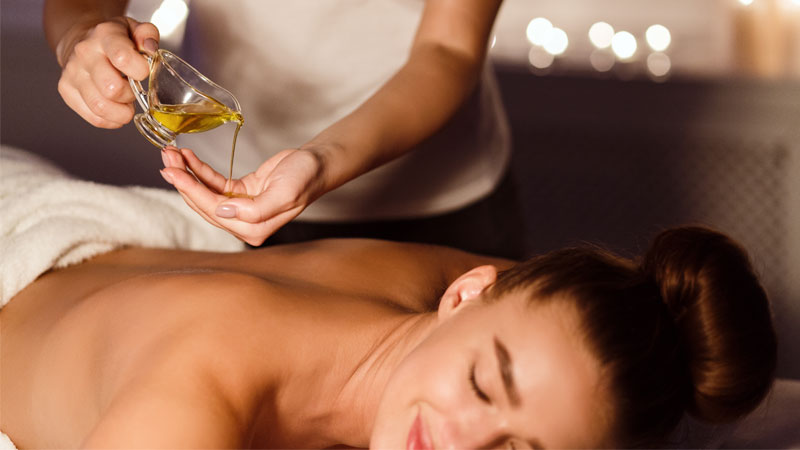
Soya Bean oil is the carrier oil that most professional therapists would choose when massaging antenatal clients or when their client’s skin is particularly dry or showing signs of life stress. Soya Bean Oil has a silky smooth texture and luxurious feel. It is an excellent alternative to Sweet Almond Oil as it stays supple, whilst being very light on the skin.

Soya Bean Oil comes from the soya plant which belongs to the pea or legume family. The soya bean has been used in China for 5,000 years as a food and a component of drugs. According to the ancient Chinese myth, in 2853 BC the legendary Emperor Shennong of China proclaimed that five plants were sacred: soybeans, rice, wheat, barley, and millet. Cultivation of soya beans was long confined chiefly to China, but gradually spread to other countries. Soya Bean Oil is extracted from the plant’s egg shaped beans which have an oil content of about 20%.

Cold pressed Soya Bean Oil is a rich source of ultra-hydrating, restorative Vitamin E and skin nurturing lecithin. It is also high in unsaturated fatty acids which help protect and support healthy skin renewal. Soya Bean Oil can be used for massage and is suitable for all skin types, but it is particularly helpful for skin that is effected by hormonal fluctuations or that is dry and fragile as a result of stress or lack of care.

Try our Antenatal Bump Blend recipe below, to help prevent stretch marks.

Ingredients:

20 ml of Soya Bean carrier oil
5 ml of Vitamin E carrier oil
5 ml of Evening Primrose carrier oil
4 drops of Geranium essential oil
4 drops of May Chang essential oil
4 drops of Green Mandarin essential oil

Blend the oils and use with extremely gentle strokes (spot test for sensitivity first and do not use in the first three months of pregnancy)

Reflexology foot lotion recipe

Monday, January 24th, 2011

Make your own Reflexology Foot Lotion with a range of therapeutic essential oils and Base Formula’s versatile Light White Lotion. Our Light White Lotion has been formulated with high quality ingredients to gently replenish moisture and oil lost by the skin. It is suitable for all over body use including the face, and it is perfect for dry and sensitive skin. It can also be used therapeutically to soothe and relieve the discomfort caused by rough, dry skin.

To make your own Reflexology Foot Lotion

Blend the following ingredients:-

Light White Lotion

0.25% Tea Tree essential oil (antiseptic, antifungal, restores and supports skin health)
0.25% Lemongrass essential oil (restorative, pain relieving, antiseptic, antifungal, deodorising)
0.5% Geranium essential oil (balancing/female orientated) OR Lavender essential oil (soothing/pain relieving)

The experts at Base Formula recommend that no more than 1% of any essential oil and 2% of liquid ingredients such as aloe vera or hydrolats be added to our cosmetic bases. Exceeding this amount may destabilize the blend.

To learn more about making your own natural products why not book on our 1 day Make Your Own Products Course run by our sister company, The British School of Aromatherapy. They also run a brand new course in Qichi Foot Massage – an exclusive treatment developed by our own tutor, Christine Fisk.

Make your own natural cellulite treatment

Friday, January 21st, 2011
The appearance of cellulite is caused by pockets of fat which become trapped in the skin’s upper layers, causing irregular and patchy dimpling in the skin. Approx 90% of women develop cellulite at some time during their life although it is hardly ever seen in men. The thighs, buttocks and the abdomen are the most common areas for cellulite to develop.

Massage can be an effective way of treating cellulite as it helps to improve the circulation, which in turn will soften the fatty areas and help them disperse over time. Massage also targets the lymphatic system helping to drain excess fluids and body toxins, which are often associated with cellulite. Given time massage will help break down these fatty lumps and eventually remove them from your body. The use of essential oils in massage can also help improve the skin’s appearance and reduce the dimply affect.

To make your own, natural Anti-Cellulite Massage Gel:-

2 tablespoonfuls of Aloe Vera & Seaweed Gel
1 dessertspoonful of Borage Seed (Starflower) Oil
3 drops of Juniperberry essential oil
2 drop of Cedarwood essential oil
3 drops of Grapefruit essential oil

Blend well and after spot testing apply generously to the effected areas. Massage in to the skin using vigorous, upward circular movements. Place any remaining product in an airtight container, store in a cool place and use within 10 days.

A secret ingredient for a traditional pain relieving blend

Monday, December 20th, 2010

If you’re suffering from back or shoulder pain this Christmas blend your own therapeutic massage oil and massage into the affected area. We’ve added a secret ingredient to a traditional, aromatherapy, pain relieving blend:

Blend Lavender, Chamomile and Frankincense essential oils into Sweet Almond Carrier Oil (1 drop of each essential oil per tablespoonful of carrier oil).

Lavender is an effective painkiller (it was virtually all they had on the battlefields of the First World War) and Chamomile (particulary Blue Chamomile) is believed to have a powerful anti-inflammatory action. Frankincense is profoundly relaxing, slows down breathing and reduces mental chatter (i.e. that can’t switch off feeling). Research has shown that the more tense the individual then the greater their perception of pain. I find without exception that I can help relieve the aches and pains of my clients if I focus equally on their stress condition.

Julie Foster
Consultant Aromatherapist

Tips for the perfect aromatherapy massage!
Thursday, September 23rd, 2010

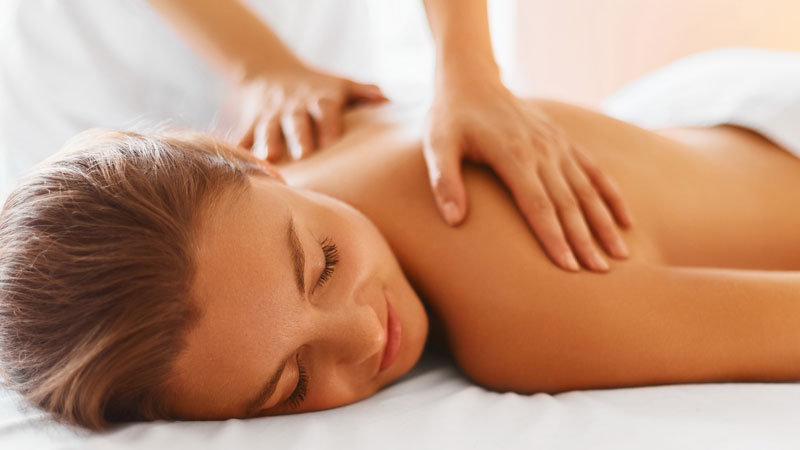
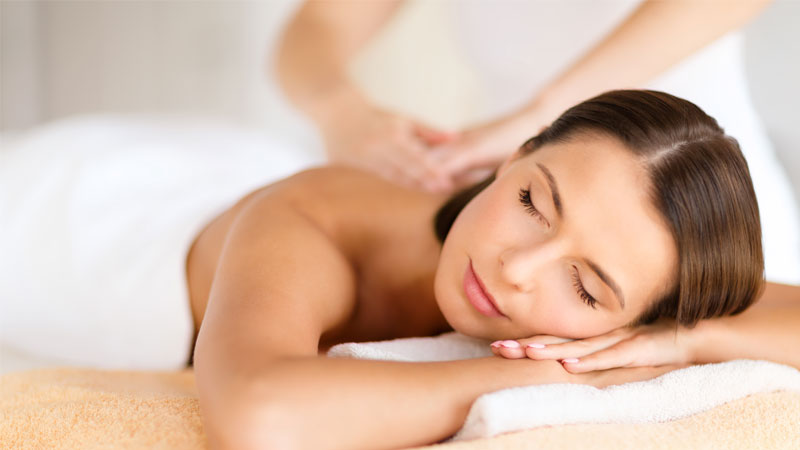
The experts at Base Formula and The British School of Aromatherapy have put together the following advice and tips to help you get the most from your aromatherapy massage.

  1. effective aromatherapy massage with therapeutic essential oilsEnsure you have the correct dilution -  add 2 –4 drops of your chosen essential oil/s to a tablespoon full of Sweet Almond Oil. Skin hydration levels makes a difference as to how much oil you will need to mix but as a general rule blend 1 tablespoonful for neck and shoulders and up to four for a full body massage. The quantities mentioned are guidelines only – you may wish to adjust the amounts up or down to a limited degree. As long as you spot test first and avoid oils which are known to be over stimulating for sensitive skins (i.e. citrus oils) then you will be able to give an effective aromatherapy massage. If you like experimenting then always keep a note of what essential oils you have used and in what quantities. This way you will be able to identify the most effective essential oils for your treatments.
  2. Slow down  – if the massage strokes resemble car-cleaning strokes then far from promoting relaxation the recipient will feel skin irritation and heightened awareness of pain. To help you slow down put on some slow music and encourage feedback or ask the recipient to take long deep breaths in and out and then match the speed of the massage to the speed of the breaths.
  3. Always maintain contact with the skin.  Hands that are taken off the skin in between strokes again heighten the senses and awareness of pain. There is always an element of surprise as the hands once again make contact with the skin. It is commonly described as “setting nerves on edge”. Contact should always be maintained – just slide the hands gently into position without ever losing contact – even if it means stroking across clothes or hair.
  4. Warm hands – warm your hands first as being touched by cold hands causes muscles to contract and increases pain. Warm hands help to relax and soothe.
  5. Keep hands relaxed and flat. With wrists loose bring the thumbs up into line with the rest of the hand, which should be flat but relaxed. Skin contact should be maintained throughout the whole of the hands and fingers however the most important areas are the finger tips, the fleshy pad of the hands and the heels of the hands.  Loosen up the hands before starting by conducting an imaginary orchestra or making waves with your hands.
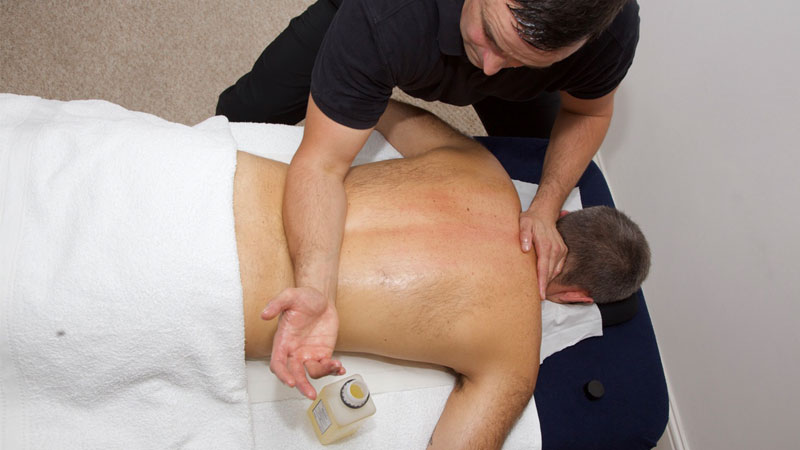
  6. Maintain good pressure – do not tickle. Stroking or tickling instead of massaging can have a hugely irritating effect.  Encourage feedback so that you exert the correct degree of pressure for the recipient. Most masseurs are surprised to find that the pressure needed is considerably more than one would expect. To prevent the masseur becoming tired use your body weight where appropriate i.e. lean into the massage with a straight back.  Standing to do a massage is often a lot easier because the body weight can be more easily controlled and used. 
  7. Do not apply too much oil. Too much oil or synthetic oils such as baby oil allow too much slippage i.e. the hands slip over the skin, which is irritating.  Our advice is to use the best quality Almond Oil that you can find.  This sinks into the skin “carrying” the therapeutic essential oils into the body. At the same time it still leaves a thin coat on the surface which prevents the hairs and skin being “dragged”.  For instance as you massage upwards in long strokes over the muscles you should be able to see the muscle rolling ahead of you like a small wave which shows that your pressure is such that you are helping the muscles relax.  If there is too much slippage or not enough pressure then this will not occur and you will probably find that your subject is tense and uncomfortable.  If after ten minutes they are very still, lost in a trance like daze and breathing slowly and deeply then don’t say a word – just carry on confident in the knowledge that you have “got the hands” as we therapists say!